The basis of SEO is always keyword research. Even the best-written content will not rank without the right keywords. In the past, manual analysis, spreadsheets, and guesswork were used to do keyword research. In 2026, however, things have changed significantly. AI tools for keyword research are changing how marketers find new opportunities, analyze the competition, and make better content choices. These tools do not simply list some keywords, but they reveal search intent, what is likely to become popular in the future, and how businesses can remain ahead of the curve.
In this blog, we will discuss the best AI keyword research tools, their functionalities, advantages, and how it will transform your SEO strategy.
The relevance of AI Tools for Keyword Research
AI has some positive results in keyword research:
- Speed: AI can process thousands of keywords in a few seconds.
- Accuracy: Advanced algorithms provide high accuracy in the analysis of AI keywords.
- Predictive Insights: AI predicts new search trends.
- Contextual Understanding: Tools not only interpret search intention but also volume.
- Scalability: The businesses are able to handle the keyword strategies in more than one market.
Best AI Tools for Keyword Research
1. SEMrush AI

SEMrush is a longtime market leader in the field of SEO, and its AI-powered features in the key research make it essential.
- Features: Keyword forecasting, competitor analysis, and traffic forecasting.
- Advantages: Gives practical information on both the short and long-term approaches.
- Best Use: Agencies and companies that require thorough AI keyword research.
2. Ahrefs with AI Enhancements
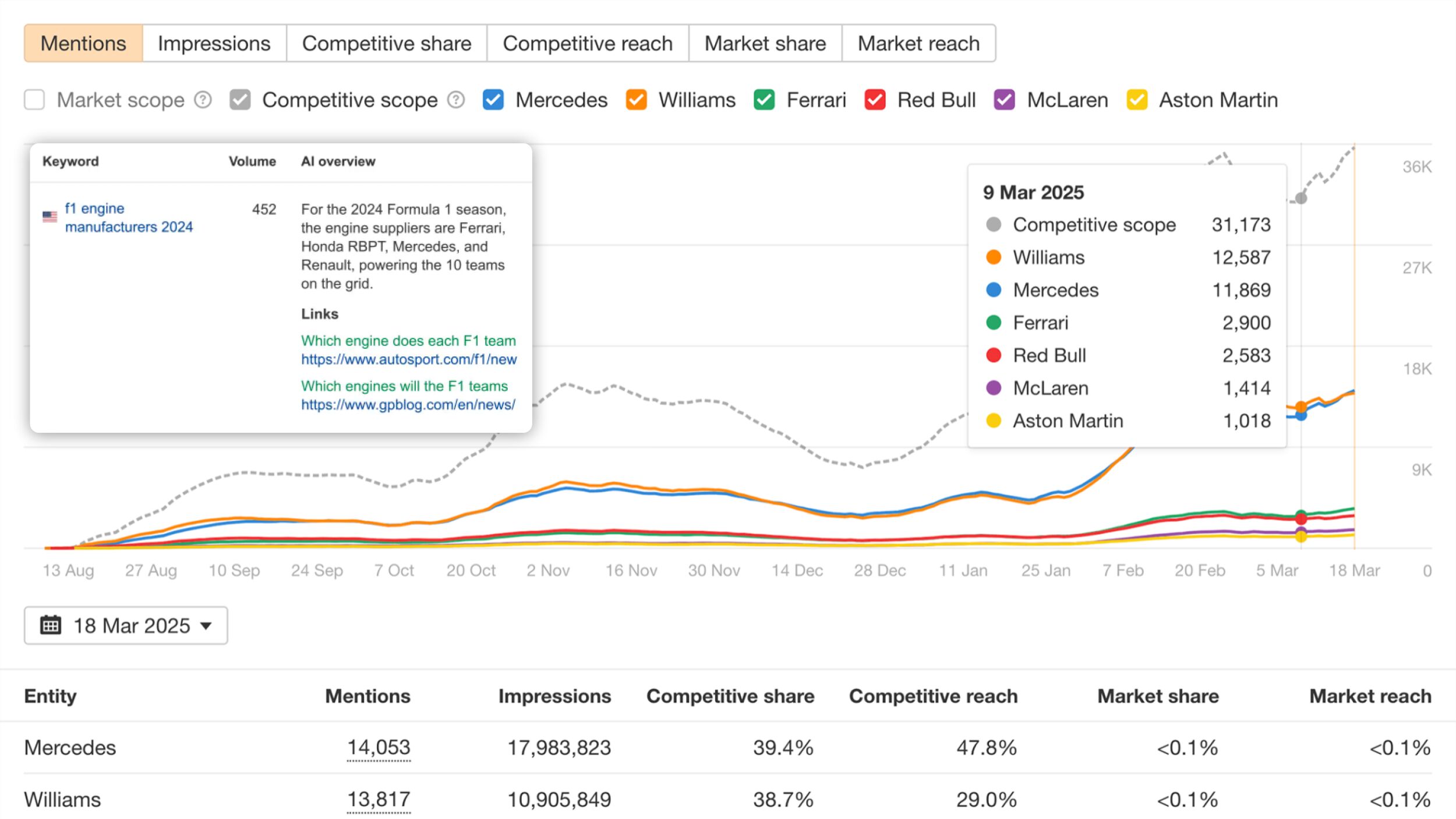
Ahrefs incorporates AI to improve suggestions on keywords and competitors.
- Characteristics: SERP analysis, backlink information, and scoring of difficult keywords.
- Advantages: Assists marketers in recognizing viable position ranking opportunities.
- Best In: AI keyword analysts and link builders.
3. Surfer SEO

Surfer SEO is a mixture of content optimization and keyword research of keywords.
- Features: Keyword clustering, SERP similarity analysis, and content scoring.
- Advantages: Quickly matches keywords and the content strategy.
- Ideal Uses: Writers and strategists with AI tools that are used to plan content based on keywords.
4. Moz Pro AI
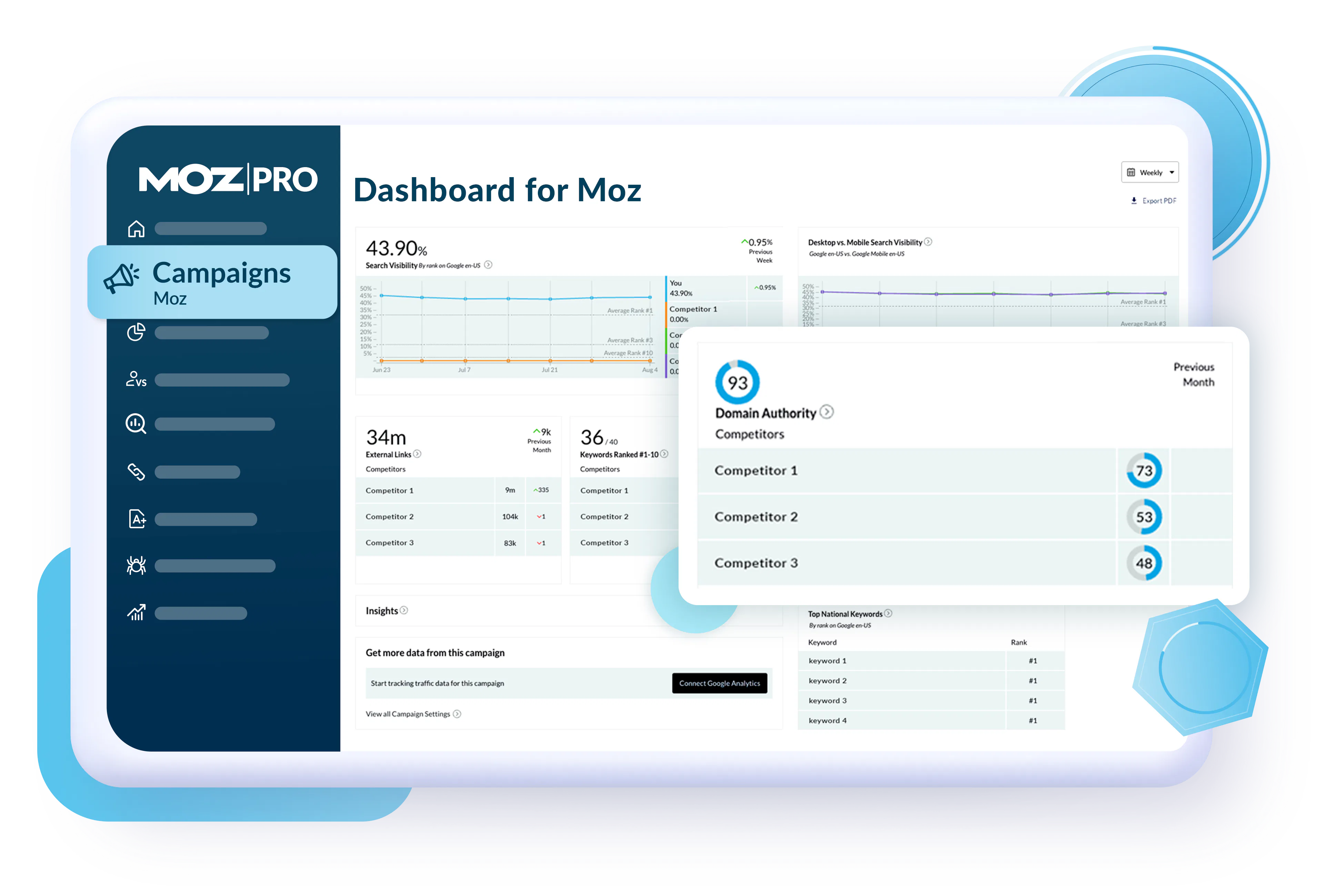
The AI capabilities of Moz Pro improve the process of keyword research by analyzing competition and the intent of search.
- Characteristics: Keyword explorer, SERP analysis, predictive metrics.
- Advantages: Makes it easier to select keywords with easy scores.
- Best Use: Small enterprises and marketers that want to use user-friendly AI SEO tools.
5. Ubersuggest AI
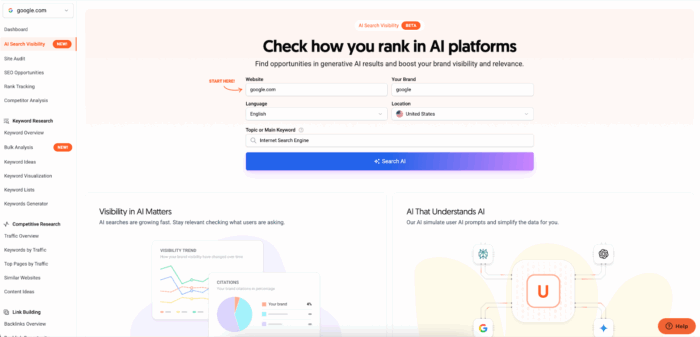
Ubersuggest incorporates artificial intelligence to free up ideas on keywords, content suggestions, and competitor analysis.
- Features: Data on CPC, volume of keywords, and content ideas.
- Advantages: Cheap and convenient for newcomers.
- Better with: Freelancers and startups trying out AI keyword research.
6. AI Insights KeywordTool.io.
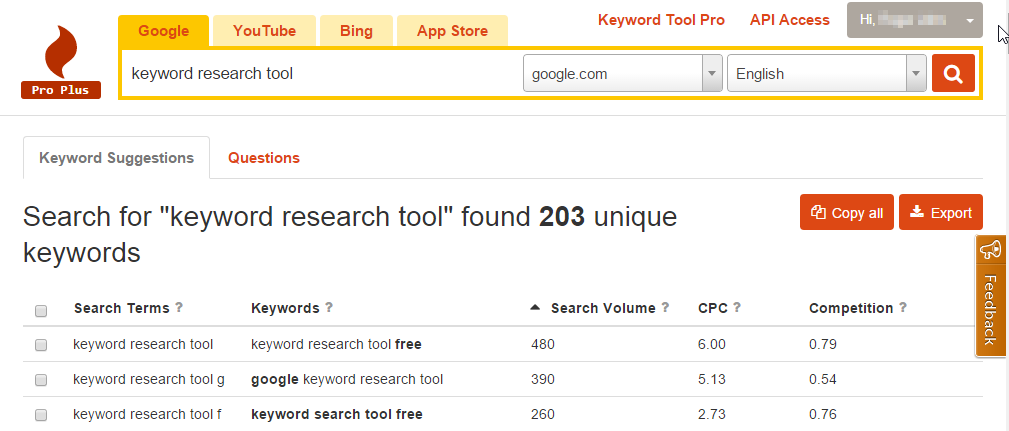
The KeywordTool.io relies on AI in order to provide long-tail keyword suggestions across various sources.
- Features: Google, YouTube, Amazon, and other keyword ideas.
- Advantage: Enhances the avenue of keywords over and above conventional search engines.
- Best suited: E-commerce and content creators.
7. Frase.io
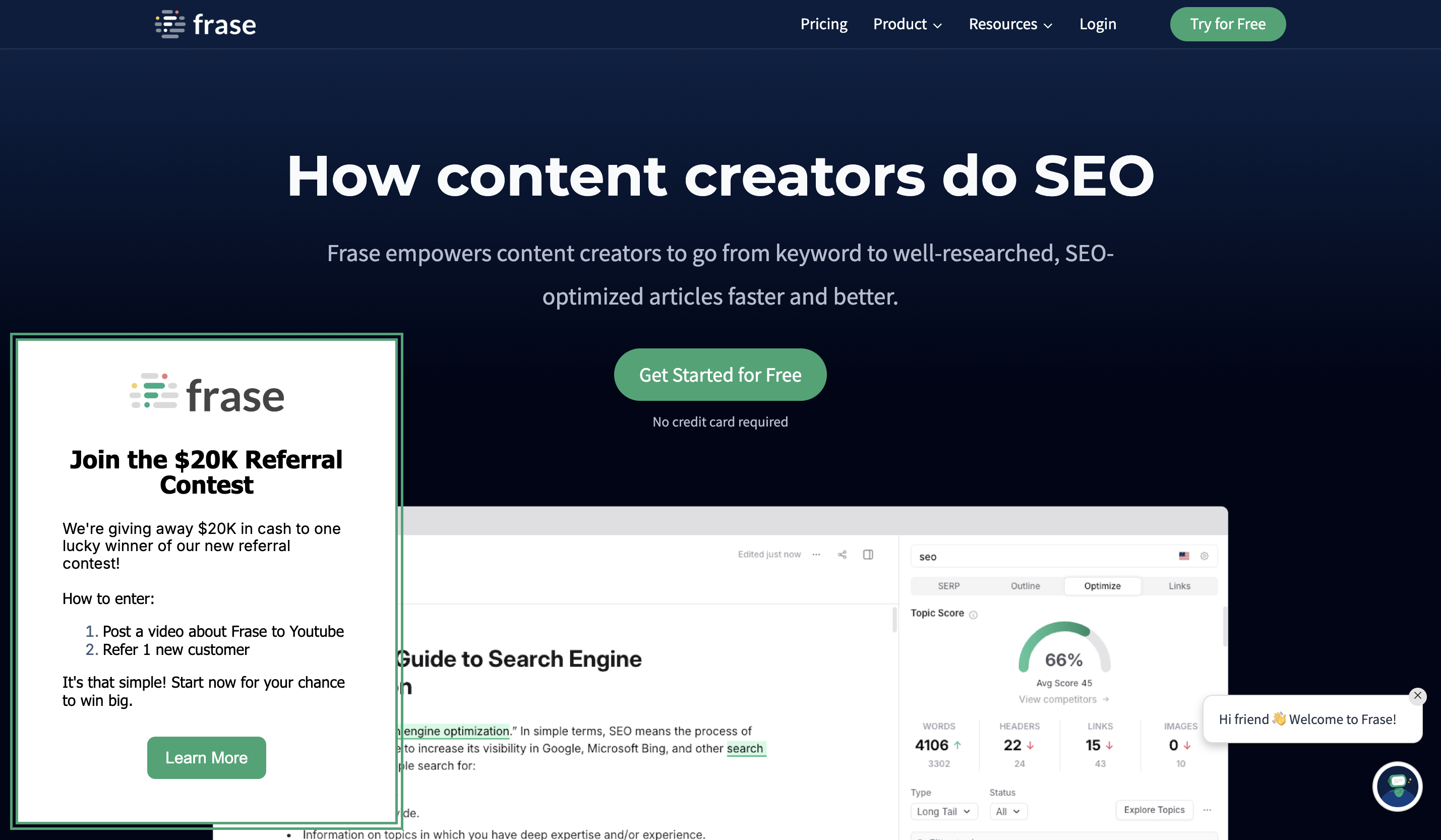
Frase.io is a content research and optimisation platform that operates on AI.
- Features: SERP analysis, clustering of keywords, and content briefs.
- Advantages: Assists authors in focusing on the queries of users.
- Best When: Content teams that require AI analysis of keyboard, along with writing.
8. Scalenut

Scalenut is a hybrid product that involves AI and content creation powered by keywords.
- Features: Keyword planning, writing in AI, and optimization of SEO.
- Advantages: Simplifies the process of researching a keyword to the publication of content.
- Best Suited: Agencies with multiple clients.
9. WriterZen

WriterZen is an AI-based tool that finds keyword opportunities and develops topical authority.
- Features: Keyword clustering, topic discovery, and content planning.
- Advantages: Helps brands create a position in niche markets.
- Fit Better: Companies that prioritize long-term optimization of their search engine ranking.
10. Google Gemini AI for SEO
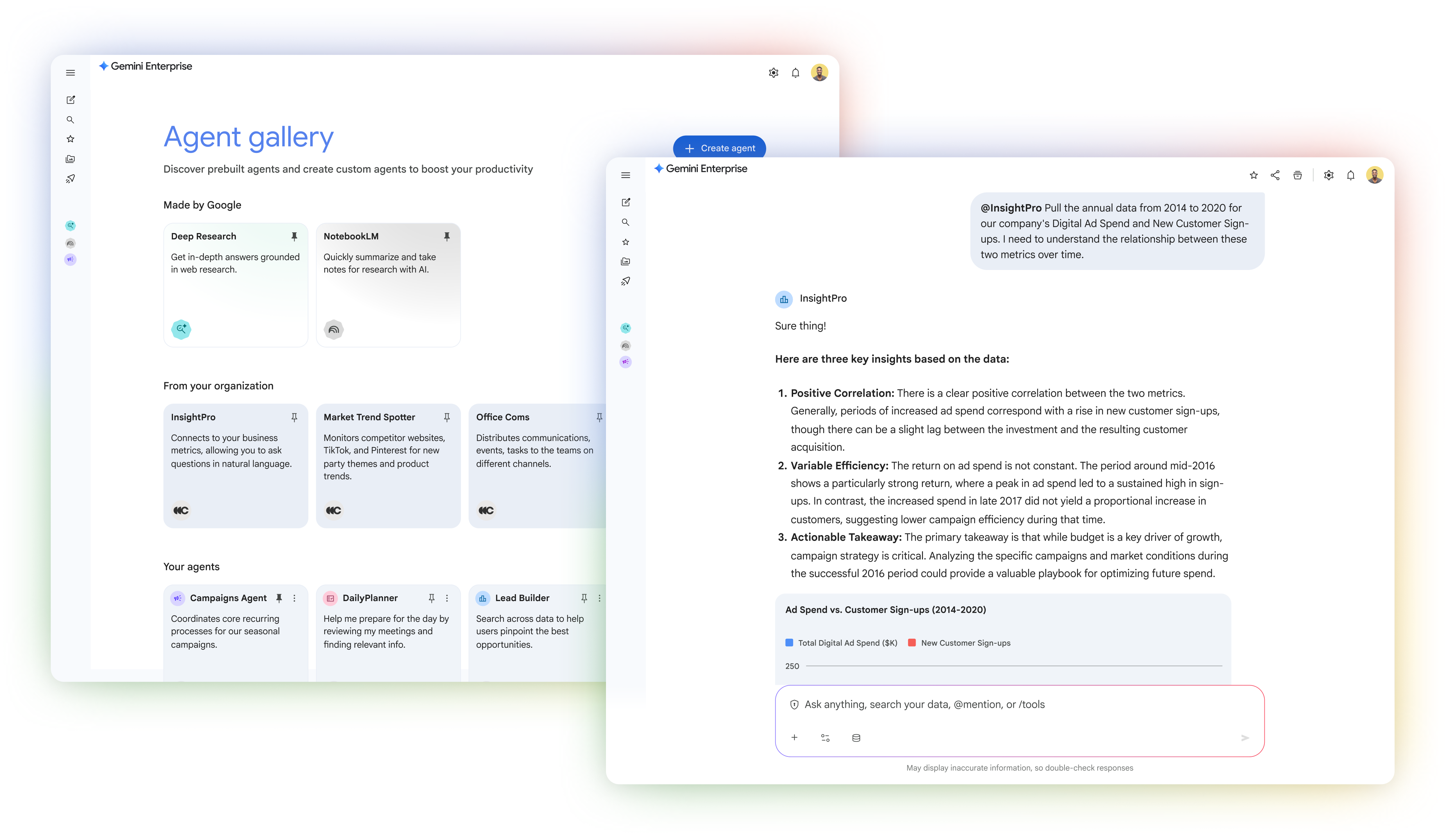
Gemini AI by Google is used together with Google Ads and Analytics and provides forecasted insights about the keywords.
- Characteristics: Forecasting trends in search, audience segmentation, and automatic suggestions of keywords.
- Advantages: Gives powerful insights into the future opportunities of keywords.
- Best To Use: Enterprises that have big ad budgets and search engine optimization campaigns.
Also Read: Top 10 AI Tools for Digital Marketing in 2026
The advantages of AI Keyword Research Tools
- Efficiency: Saves time through automation of analysis.
- Accuracy: Lessens the use of guesses with exact AI key analysis.
- Trend Forecasting: Predicts the appearance of search terms before the competitors.
- Content Alignment: Makes sure that the keywords are in line with the user intent.
- Competitive Advantage: Gives information on competitor strategy.
Challenges and Take into Account
Although the AI tools for keyword research are very powerful, it has challenges:
- Price: Quality equipment can be costly.
- Learning Curve: Teams should be trained in order to maximize features.
- Dependence: Excessive use of AI may diminish human innovation.
- Data Privacy: It is important to ensure that the regulations are adhered to.
Best Practices in AI Keyword Research
- Integrate AI and Human Oversight: AI is used to process data, but enhanced by human judgment.
- Pay attention to Search Intent: It is important to concentrate on keywords that provide responses to user queries.
- Diversify Tools: Get a variety of platforms to gain intimacy.
- Refresh Frequently: Change keywords regularly to keep up with the times.
- Balance Short-Tail and Long-Tail Keywords: A balance between traffic and conversions.
Conclusion
In 2026, the topic of keyword research will not be based on manual work anymore, but rather on the use of AI tools for keyword research and developing a competitive advantage. SEMrush AI, Surfer SEO, and Frase.io are some of the tools that can give a business great insights to enable the business to create content that matches the search intent and predict future trends, as well as out-compete competitors.
Through incorporating AI keyword search in your plan, you will be able to save time, enhance accuracy, and attain sustainable SEO. The future of SEO is in those who will adopt AI tools for keyword research and will use them with human creativity.
FAQs
1. Which are the most helpful AI tools for keyword research?
Ans: The best ones are SEMrush AI, Surfer SEO, and Ahrefs.
2. What does AI do to enhance the search for keywords?
Ans: AI facilitates the analysis, trend forecasting, and search intent.
3. Are AI keyword research tools cost-effective?
Ans: Yes, such tools as Ubersuggest and KeywordTool.io have plans that are affordable.
4. Is it possible to substitute classical keyword research technologies with AI?
Ans: AI is effective in supplementing traditional solutions, but most effectively in integration with human control.
5. Is keyword search secure for companies with AI?
Ans: Yes, the majority of tools are in harmony with the standards of data protection and are popular among agencies and enterprises.

Harsh Raj Yadav is a digital marketing professional based in India, specializing in SEO. He is also an active blogger who regularly publishes insightful articles on his personal website, digitalharshraj.com. His content focuses on digital marketing strategies, SEO techniques, and industry trends, providing practical value to readers.