Artificial Intelligence (AI) ceased to be a vision of the future and became the driving force of online marketing. AI ceases to be a buzzword in 2026, and it is a need. Companies in all industries are using AI to optimize their processes, increase customer experiences, and drive higher ROI.
Digital marketing is never about falling behind the trends, and the trend of this decade is AI, which is the most transformative. AI tools are transforming the way marketers plan, execute and measure campaigns, starting with content creation to predictive analytics. This blog will discuss the top AI tools for digital marketing most useful to digital marketing in 2026, their features, benefits, and the best applications.
Criteria for Selection
It is easy to get lost in the selection of top AI tools for digital marketing. To make things simple, we considered tools depending on:
- Innovation: The level of innovative development of the tool.
- Usability: Marketer and agency comfort.
- Affordability: Cost-effectiveness of various businesses.
- ROI Impact: Objective improvements in traffic, conversions and engagement.
The 10 Best AI Marketing Tools in 2026
1. Jasper AI – Content Creation
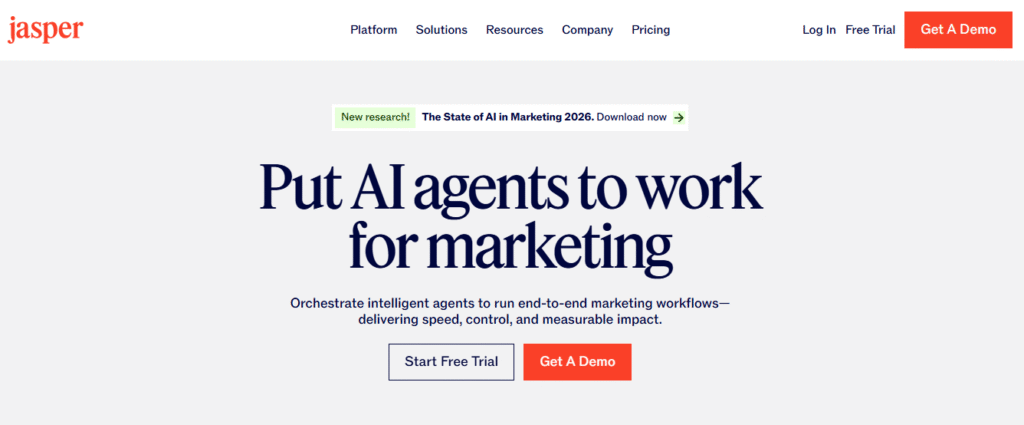
Jasper AI still occupies the AI content generation field. It assists marketers in creating blog posts, advertisement text, email messages, and social media captions within seconds.
- Features: Natural language generation, tone customization, and multilingual support.
- Advantages: Time-saving, consistency, and content production scale.
- Best Use Case: Agencies with large amounts of content in a variety of niches.
2. Surfer SEO – SEO Optimization
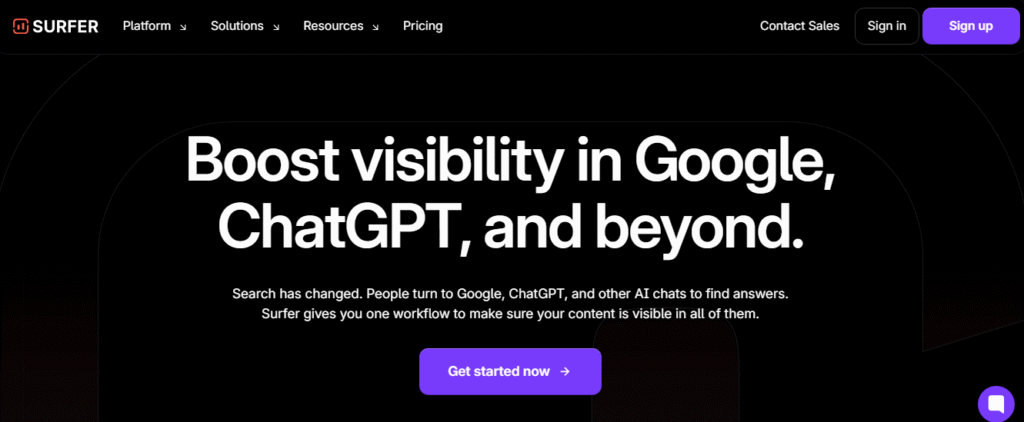
Surfer SEO is a tool that combines artificial intelligence and real-time SERP analysis to assist marketers in optimizing their content to be found in search engines.
- Functionality: Keyword clustering, content scoring, competitor benchmarking.
- Advantages: Enhances natural visibility, and the content corresponds to the purpose of the search.
- Best Application: Companies that want to gain a higher position in competitive markets.
3. HubSpot AI – CRM & Automation
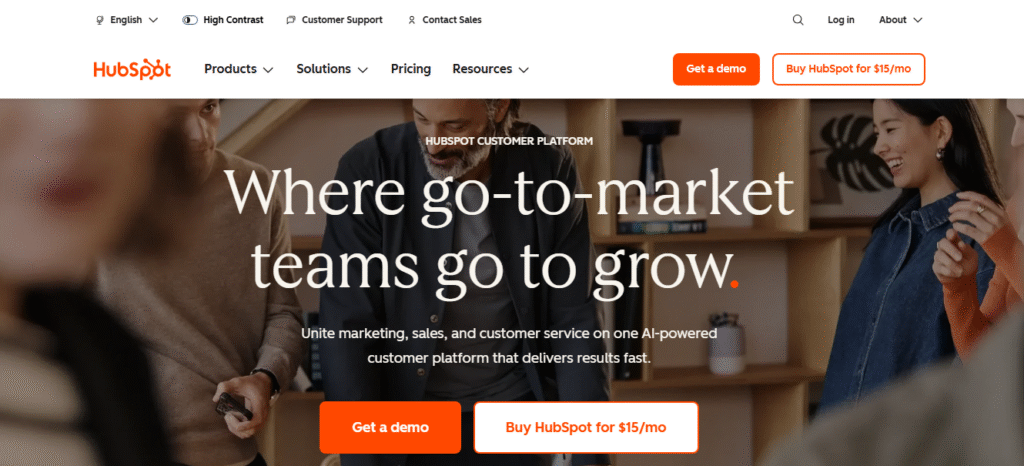
HubSpot is an AI-based CRM that automates customer nurturing, customer segmentation, and targeted email marketing.
- Features: Predictive lead scoring, autonomous workflows, and AI chatbots.
- Pros: Strengthening of customer relations and increasing the rates of conversion.
- Best Application: Organizations with high volumes of customer data.
4. Copy.ai – Ad Copy & Social Media
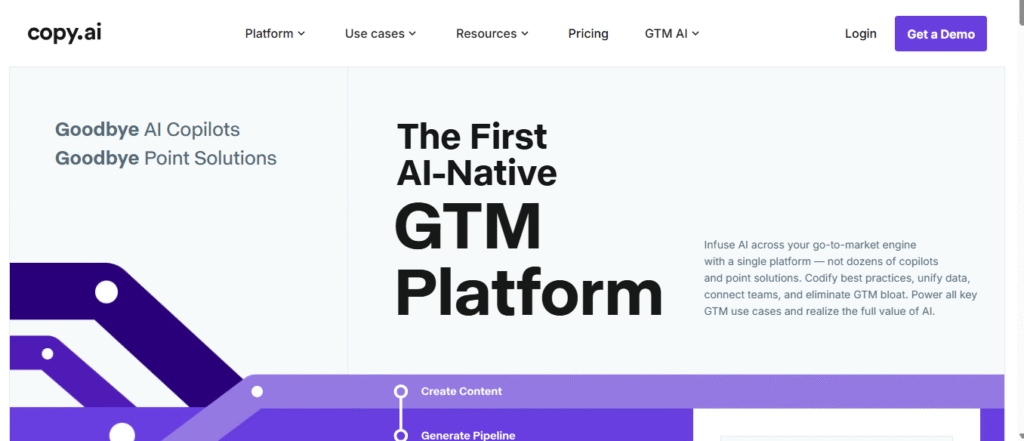
Copy.ai is a company that focuses on writing catchy advertising copy and interesting content on social media.
- Functionality: Ad headline generator, social caption builder, and suggestion to do A/B testing.
- Advantages: Expressive creativity, best suited to small businesses.
- Best Application: Startups and SMEs that require low-cost, effective content.
5. MarketMuse Content Strategy
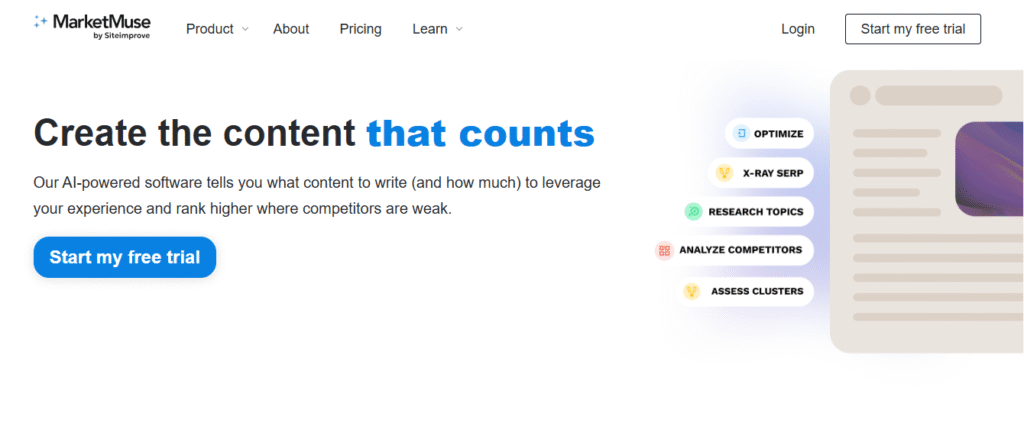
MarketMuse is an AI-based tool that identifies gaps in the content and proposes clusters of topics to build authority.
- Attributes: Competitive analysis, Content briefs, Topic modelling.
- Advantages: Helps brands generate topical authority and enhance content relevance.
- Best Use Case: The agencies and publishers that give attention to long-term growth in SEO.
6. SEMrush AI- Competitor Analysis
SEMrush AI integrates the conventional search engine optimization tools with predictive analytics and competitor intelligence.
- Features: AI keyword prediction, backlink analysis, and traffic.
- Advantages: Has a competitive advantage as it foresees market changes.
- Best Application: Companies operating in highly competitive industries such as the healthcare and e-commerce sectors.
7. Adzooma AI – PPC Automation
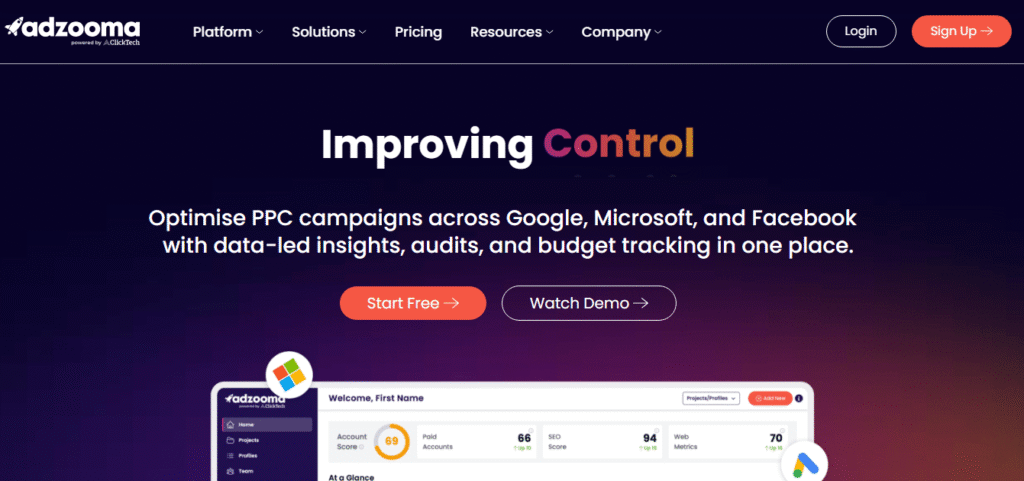
Adzooma AI is an automated pay-per-click program which automates bid and ad placements.
- Features: Intelligent bidding, performance of ad, and budget optimization.
- Advantages: Saves on wastage of ad spend and enhances the efficiency of the campaign.
- Best Application: Web businesses that implement Google Ads or Meta Ads campaigns.
8. Recently, AI -Social Media Scheduling
More recently, AI has used long-form content to create bite-sized social posts and to automate the scheduling of such postings across platforms.
- Features: AI content repurposing, engagement analytics, multi-channel posting.
- Pros: It saves time, and it will guarantee a steady social presence.
- Best Use Case: Brands using more than one social account at a time.
9. ChatGPT Enterprise Customer Engagement
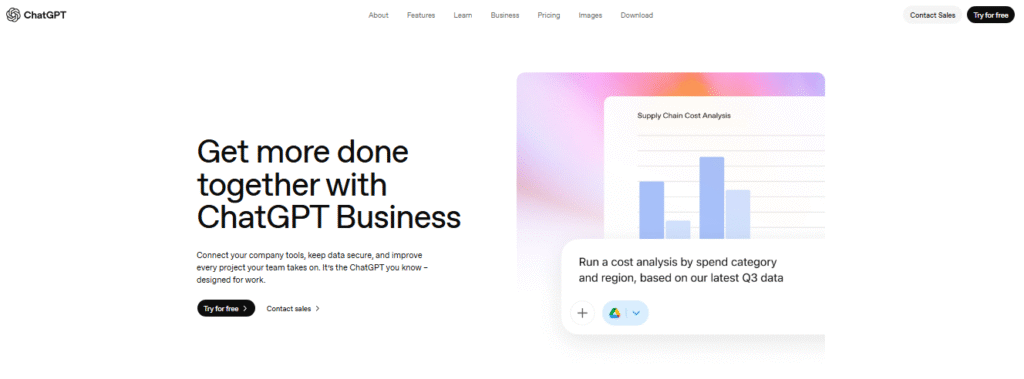
ChatGPT Enterprise offers an advanced conversational AI to support and engage with customers.
- Features: Custom knowledgebase, secure enterprise deployment, multilingual support.
- Advantages: It enhances customer satisfaction and minimizes support expenses.
- Best Usability: Businesses that require scalable customer interaction solutions.
10. Google Gemini artificial intelligence search engine- Ads and analytics
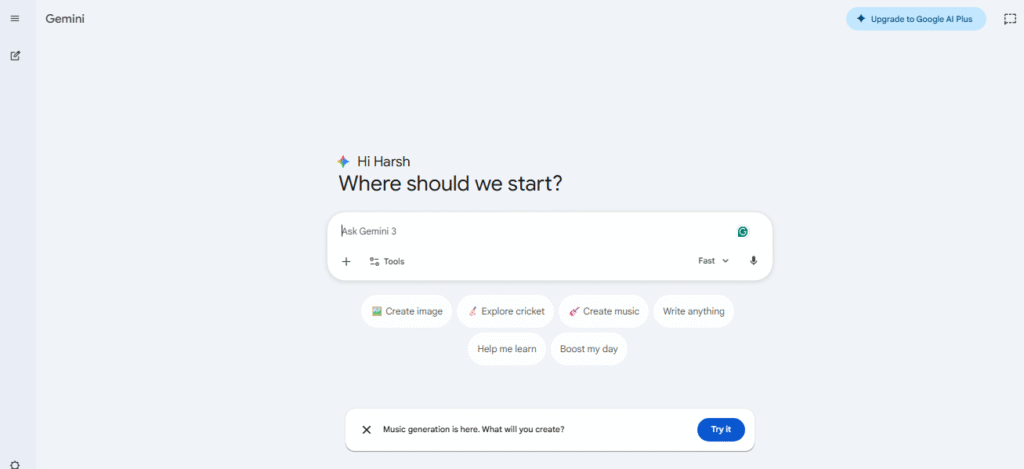
Google Gemini AI is connected to Google Ads and Analytics and provides predictive analytics and automatic campaign management.
- Functionality: Automated advertisement design, predictive analytics, and audience segmentation.
- Advantages: The benefits are that they improve the performance of an ad and offer a deep understanding of customer behaviour.
- Best Use Case: Companies with substantial advertisement budgets and multi-channel advertising.
Advantages of AI in Online Marketing.
Artificial intelligence devices have several benefits:
- Efficiency: Removes repetition, which allows it more time to strategize.
- Personalization: Offers personal experiences to individual customers.
- Predictive Analytics: Foresees the customer behaviour and market trends.
- Scalability: Works with massive datasets with ease, thus capable of supporting an enterprise.
Challenges & Considerations
Although AI tools are effective, they are associated with some challenges:
- Data Privacy: Adherence to GDPR and other policies is necessary.
- Expense: Enterprise solutions can be costly to small businesses.
- Learning Curve: The teams should be trained to take advantage of AI.
- Integration: This may be complicated to ensure smooth integration with existing systems.
Also Read: Top 10 AI SEO Tools to Boost Your Rankings in 2025
Conclusion
In 2026, AI will not be an option, but the key to the success of digital marketing. Regardless of whether you have a clinic, agency, or enterprise, the application of appropriate AI tools can change the way your marketing results. The tools mentioned in the current paper are the state of the art of AI in the field of digital marketing and provide solutions in the areas of content creation, SEO, automation, social media, customer engagement, and analytics.
Adopting these tools, a business may remain on the cutting edge, provide its customers with outstanding experiences, and maintain sustainable development in an ever-competitive online environment.
FAQs
1. What AI tool will be the most suitable one in terms of SEO in 2026?
Surfer SEO and SEMrush artificial intelligence are the best options when it comes to keyword optimization and competitor analysis.
2. Do AI tools leave human marketers behind?
No, they do not supplant creativity and decision-making; they enhance it.
3. Which is the cheapest AI product in the case of small businesses?
Copy.inf and Lately AI provide plans at a low cost.
4. Are AI tools the answer to better customer engagement?
No, ChatGPT Enterprise and HubSpot AI do not scale communication to be personal.
5. Is AI secure to manage marketing data?
The majority of business-level applications meet the requirements of GDPR and data protection.

I am an SEO and digital marketing professional who shares practical insights on blogging, SEO, and affiliate marketing. I focus on simplifying digital marketing for beginners through clear strategies and real-world learnings.