The biggest mistake of most beginners is that they believe that being a successful blogger is having 1000+ clicks overnight. In actuality, though, it is not traffic that is the first indicator of growth, but rather impressions.
In this case study, I am going to demonstrate how I was able to take a brand-new blog with a total of 0 impressions to 28,000 plus impressions within 30 days using simple yet effective SEO techniques. This is not a theory; this is real data from Google Search Console.
You may be having a hard time building your blogging strategy, but this guide will tell you what specifically works in 2026.
The performance overview of the 30 days I have worked is shown below
We will take a glance at the real data before getting down to strategies.
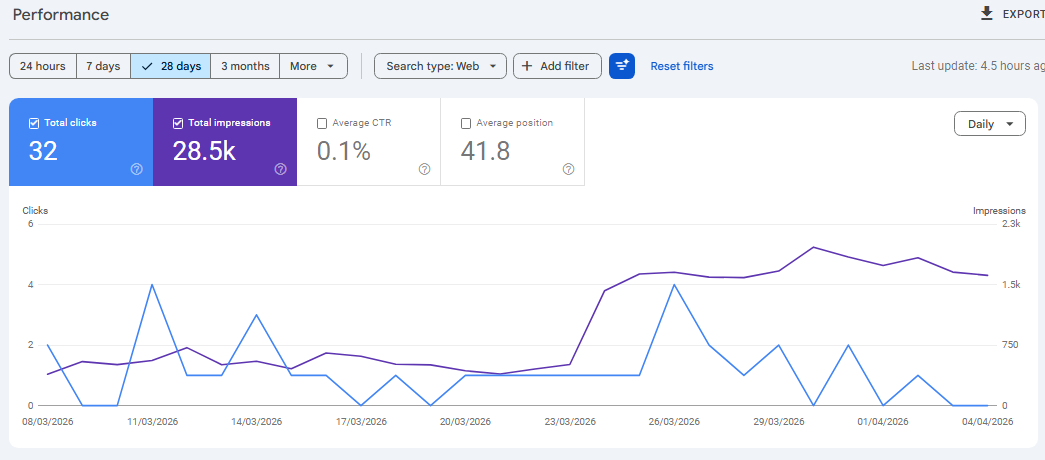
During the past 28 days:
- Total Impressions: 28.5K
- Total Clicks: 32
- Average Position: 41.8
On the surface, the number of clicks may appear low. But here is the fact:
👉 The first indication that your blog is becoming bigger is impressions.
The more impressions you have, the more Google begins to rank your content in search results. Traffic is next always.
The fact that impressions are more important than traffic (initially) is why
The only mistake that most beginners make is to concentrate on clicks.
But in reality:
- Impressions = visibility
- Visibility = ranking signals
- Rankings = future traffic
When more and more people are moving towards your blog, it is heading in the right direction.
This is what occurred in my case. I did not pursue traffic, but instead I concentrated on visibility via SEO.
Step 1: Targeting Low Competition Keywords
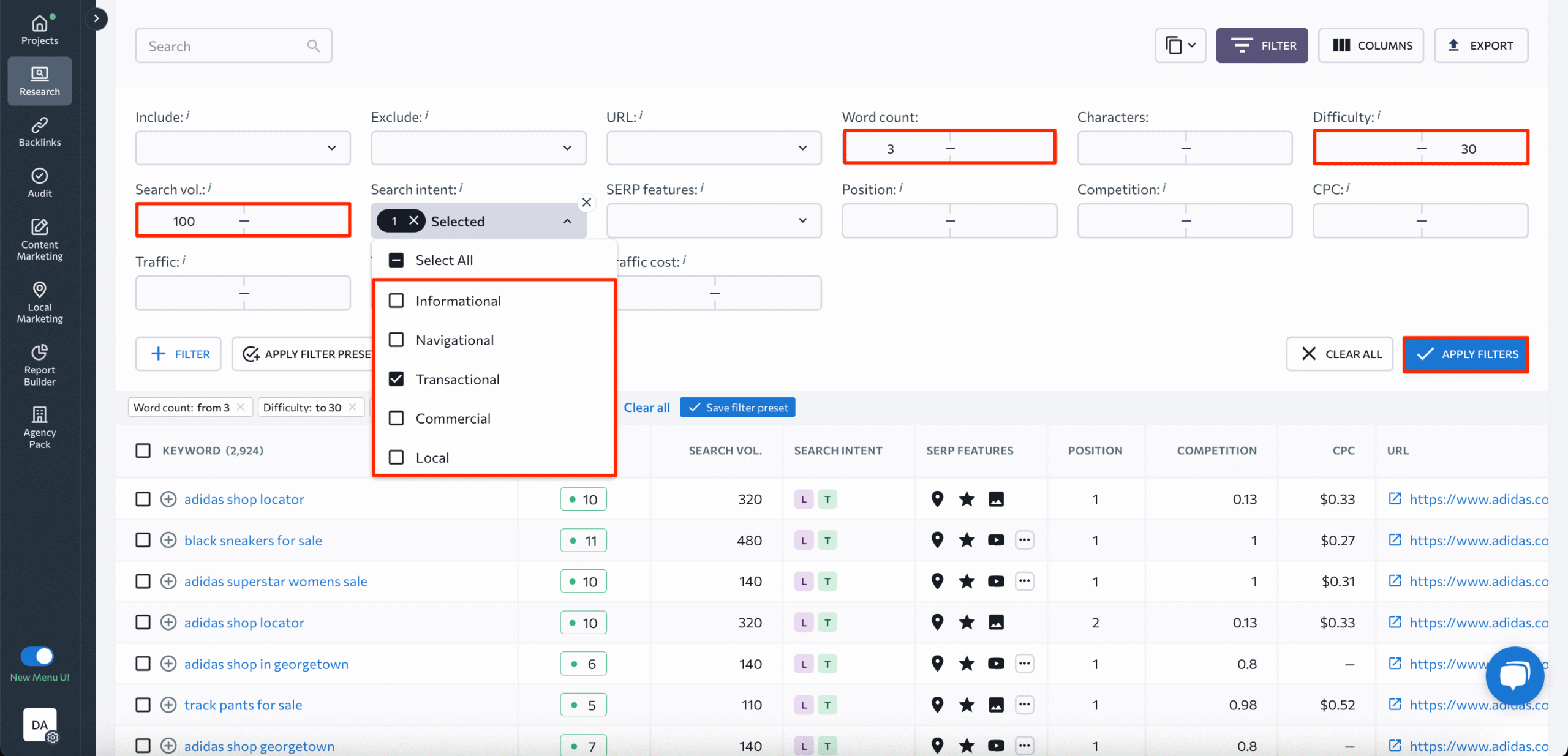
I had a basic basis for my strategy: low competition keywords.
I did not use high-volume keywords, but instead long-tail queries such as:
- Best AI tools 2026: beginner-friendly AI tools.
- Free SEO tools for small websites.
The keywords are simple to rank and create first momentum.
I also combined some AI-based research and similar tools featured on the list of the top AI tools to conduct the keyword research to find opportunities.
Step 2: Publishing Content regularly

Unity was a significant part of this expansion.
My approach:
- 1 blog per day
- Pay attention to SEO and readability.
- Simple headings and layout.
This contributed to Google crawling my site more often.
This consistency over time formed a compounding effect – additional pages were indexed, additional impressions were created.
Step 3: Establishing Good Internal Linking
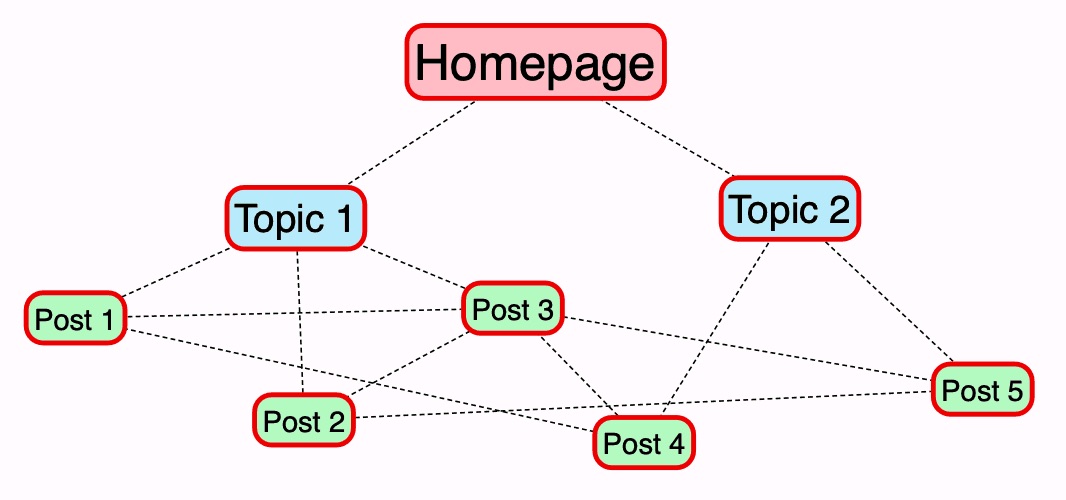
Internal linking is also among the least appreciated SEO strategies.
I ensured that all new blogs linked to previous posts. As an illustration, I associated with pertinent subjects such as:
- Best Ahrefs Alternatives for SEO.
- Best AI Tools to use in Social Media Marketing.
- PPC Campaign Optimization AI Tools.
This helped:
- Improve crawlability
- Increase page authority
- Retain users longer.
Step 4: Search Intent Writing
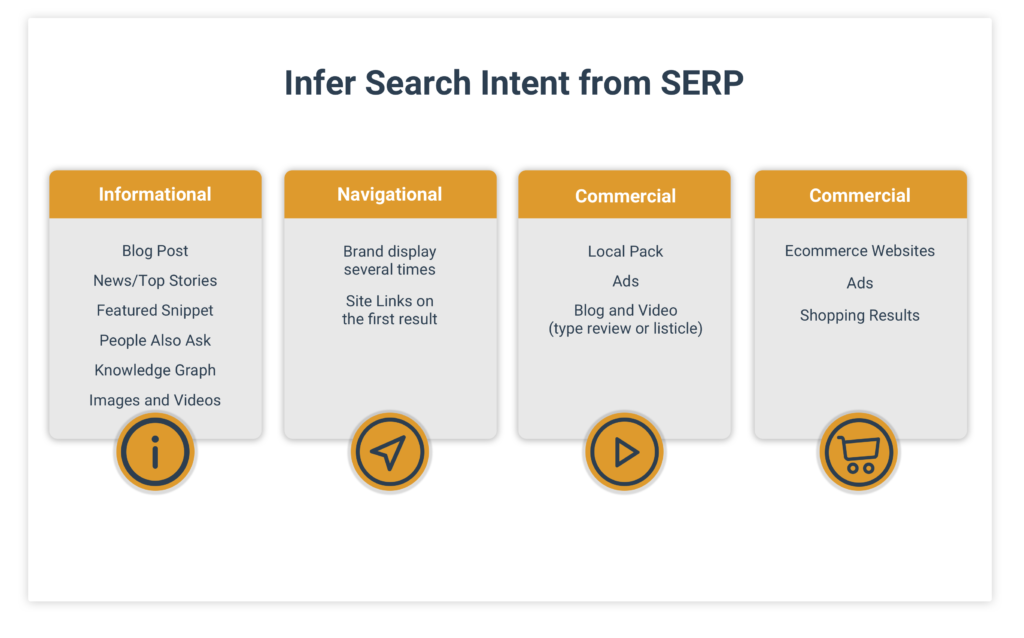
I did not write random content, but paid attention to the search intent.
Each of the blogs responded to a particular question:
- Informational
- Comparison
- Step-by-step guide
This enhanced the ranking opportunities since the content was in line with what the users were searching for.
Step 5: Fast Indexing Strategy
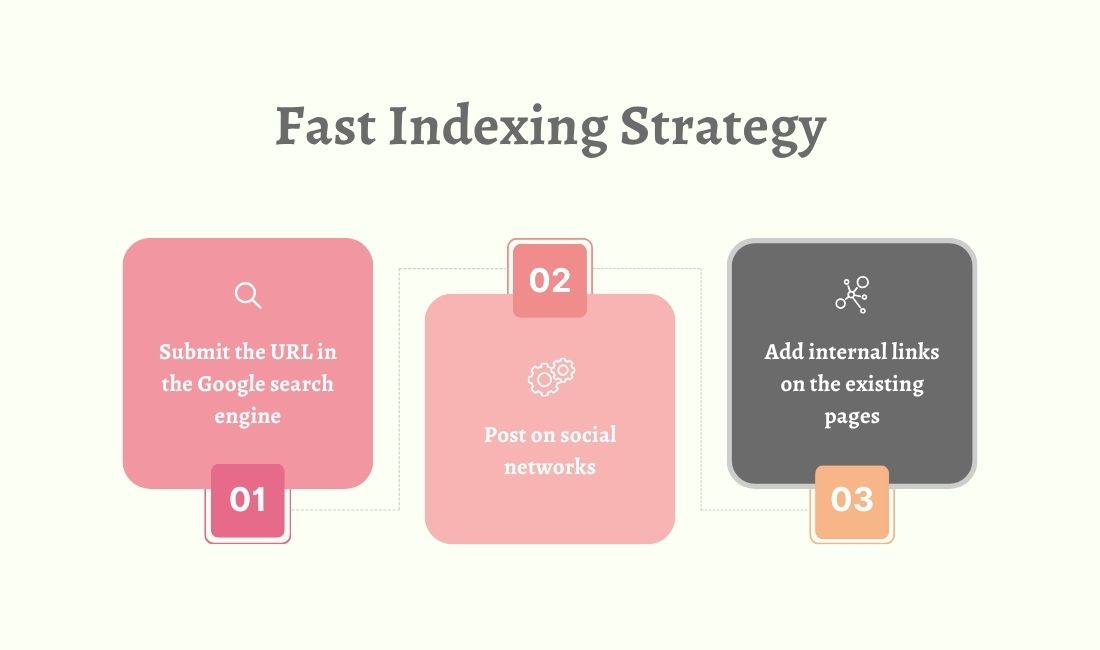
It is not just about publication, but it must be indexed quickly.
My indexing process:
- Submit the URL in the Google search engine.
- post on social networks.
- Add internal links on the existing pages.
This assisted my blogs in being indexed fast, and this had a direct influence on the growth.
Step 6: Using AI to create content

AI tools significantly contributed to accelerating the production of content.
Using smart prompts and structured workflows, I was able to:
- Generate outlines
- Write SEO-friendly content
- Maximize headings and keywords.
This will be like the strategies in Top AI Tools for Marketing Automation and Top 10 AI Tools for Digital Marketing in 2026.
Step 7: Content Optimization and Updates

I did not publish and forget.
Every few days, I:
- Updated existing blogs
- Improved headings
- Added internal links
This contributed to increasing the rankings and visibility.
Some of the major lessons in this case study include
The following are the largest lessons of my 30-day blogging experience:
- In the first stage, impressions are more important than clicks.
- Consistency beats perfection
- Keywords with low competition are the best.
- In-house linking enhances rankings.
- Everything depends on search intent.
What You Can Do to Replicate This Growth
To do the same, just do the following basic plan:
- Pick one niche
- Post regularly (at least 45 blogs/week)
- Aim for low competition keywords.
- Build internal links
- Streamline and refresh the content.
When you go through this process, you will begin to see impressions in weeks.
Final Thoughts
The success of blogging in 2026 is not shortcut-oriented; it is strategy and implementation-oriented.
This case study demonstrates that a new blog can become visible within a short period of time with the appropriate strategy.
It is possible that you will not receive thousands of clicks in the short term, but if the impressions are increasing, then you are moving in the right direction.
Be consistent, continue to optimize, and your traffic will come.
FAQs
1. How many days do you need to get impressions on a new blog?
With proper SEO and proper indexing of content, most blogs begin receiving impressions in 1 to 2 weeks.
2. Why do impressions and clicks have high and low values, respectively?
This normally occurs when your content is ranking and not in the first position. CTR can be improved by adding better titles and meta descriptions.
3. Is it possible to move a new blog in 30 days?
Yes, low competition keywords and regular posting can help a new blog to begin ranking and impress in 30 days.
4. Is growth dependent on daily blogging?
Not obligatory, though often used, are frequent postings, which accelerate indexing and development, particularly with recently established sites.
5. What will drive blog success in 2026?
The factors that are the most significant to rank and grow are search intent, quality of the content, and consistency.

Harsh Raj Yadav is a digital marketing professional based in India, specializing in SEO. He is also an active blogger who regularly publishes insightful articles on his personal website, digitalharshraj.com. His content focuses on digital marketing strategies, SEO techniques, and industry trends, providing practical value to readers.